Does Prophecy Run in Families?
Have you ever wondered if the gift of prophecy “runs in the family”? As someone who loves digging into the Bible and exploring how God works in our lives, I’ve asked this question myself.
And as a personality theory enthusiast, I also wonder about the personalities of the prophets and prophetesses in Scripture. Were they all intense and introverted? Outspoken and bold? Or did God use a wide variety of personalities to speak His word?
The answer, as with so many things in Scripture, is both simple and beautifully complex.
Prophetic Families in the Bible: A Closer Look
 When I look through the Old Testament, I do see a few examples where prophecy or other spiritual roles seem to show up in families. Samuel, for instance, was a prophet, and his mother Hannah sang a prophetic song (1 Samuel 2:1-10). The sons of Asaph, Heman, and Jeduthun were set apart as temple musicians and prophets (1 Chronicles 25:1-6). Huldah, a prophetess, was related to other prominent religious figures (2 Kings 22:14).
It’s also important to remember that some families and bloodlines were specifically chosen by God for spiritual leadership and prophetic callings. The tribe of Levi, for example, was set apart for priestly service, and Aaron’s descendants (the Cohanim) were given the unique role of priests in Israel. This shows that, at times, God does choose certain families for special spiritual purposes, including prophetic ministry.
But it’s not always about bloodlines. Elijah and Elisha, two of the most famous prophets, weren’t related by family; they were mentor and disciple. Their relationship was spiritual, not genetic.
In the New Testament, we see John the Baptist as the son of Zechariah, a priest who prophesied at John’s birth (Luke 1:67-79). Mary, the mother of Jesus (Luke 1:46-55), and her cousin Elizabeth (Luke 1:41-45) both spoke prophetically, and their sons (Jesus and John) had prophetic ministries.
But again, even in these family stories, what stands out most is God’s calling, not simply family inheritance.
**It’s crucial to remember that Jesus was not just a prophet; He is the Son of God, the Messiah, and the fulfillment of all prophecy. His ministry stands utterly unique in all of history.
The Holy Spirit: The True Source of Prophecy (Not the Genes)
Scripture is clear: the gift of prophecy isn’t something we inherit like eye color or height. It’s given by God’s Spirit, not by family line. Paul reminds us in 1 Corinthians 12: 4-11 that spiritual gifts are distributed as the Spirit wills.
While it might look like some families have a “prophetic gene,” what’s really happening is that children raised in homes where spiritual gifts are valued may be more open to recognizing and developing them. But the source is always the Holy Spirit.
It’s also important to remember that gifts like the word of knowledge or word of wisdom are supernatural. They don’t come from study or experience, but directly from the Spirit.
The word of knowledge is a revelation of facts you couldn’t know otherwise; the word of wisdom is divine insight for a specific situation. These are direct impartations from God, not the result of human effort or intellect.
Of course, studying Scripture and seeking Godly wisdom is vital for spiritual growth. A person who diligently seeks God may be more attuned to the Spirit’s leading and better able to steward these gifts. But the gifts themselves are not derived from study; they’re given by God.
Are Some People “Wired” for Prophecy?
Here’s where it gets really interesting for me. I’ve noticed that some people seem naturally fitted for prophetic ministry.
They’re intuitive, sensitive to spiritual atmospheres, or have a deep hunger for truth and justice. These natural tendencies, like empathy, boldness, or a strong sense of right and wrong, can make someone more receptive to the prophetic or to gifts like discernment, word of knowledge, or wisdom.
The Bible hints at this, too. Jeremiah was called as a prophet before he was born (Jeremiah 1:5). Paul talks about being “set apart from birth” (Galatians 1:15). It’s as if God weaves His calling and gifting into our very being from the start.
God Uses Our “Base” and Builds on It
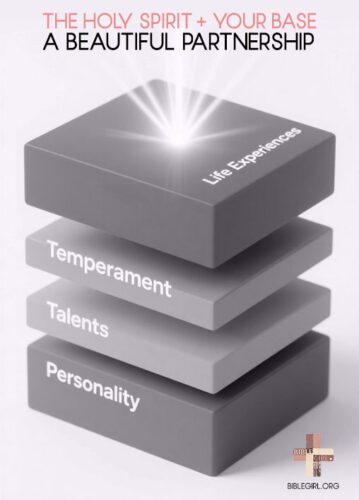 I love thinking of it this way: God creates each of us with certain raw materials, our personality, temperament, talents, and life experiences. When the Holy Spirit comes to live inside of us, He activates and amplifies those natural traits for His purposes.
For example, someone who is naturally perceptive might become especially gifted in discernment. Someone who is bold and unafraid to speak up might be used by God to deliver prophetic messages or words of wisdom in moments when others might hesitate.
This helps explain why prophetic people often share certain traits and why spiritual gifts can look different from person to person. It encourages me to value both the natural and the supernatural, God’s design in our creation, and His empowerment by the Spirit.
A little caveat here: God also says that He is strong in our weaknesses. As Paul writes in 2 Corinthians 12:9, “My grace is sufficient for you, for my power is made perfect in weakness.” This means that even when we feel inadequate or unqualified, God’s strength can shine through us, using our vulnerabilities to display His glory.
Exploring Prophetic Personality Types
As someone who’s both a Bible lover and a bit of a personality theory enthusiast (I’m an INFJ, for those who are curious!), I can’t help but wonder about the personalities of the prophets and prophetesses in Scripture.
Were they all intense and introverted? Outspoken and bold? Or did God use a wide variety of personalities to speak His word?
This curiosity has led me to dig deeper into the lives and backgrounds of biblical prophets, looking for clues about their temperament, family, and calling. I’ve started exploring how different personality types, like those described by the MBTI, might show up in the stories of people like Jeremiah, Deborah, Daniel, and Anna.
It’s a fascinating journey, and I’m finding that God truly does use all kinds of people, each with their own unique “base,” to accomplish His purposes.
How Did I Decide on Their Possible Personality Types?
Of course, the Bible doesn’t give us a prophet’s Myers-Briggs results! But as I read their stories, I look for patterns in their words, actions, and relationships.
For example, Jeremiah’s deep sensitivity and emotional honesty remind me of the INFP type, while Moses’ strategic leadership and vision seem to fit an INTJ or INFJ. Deborah’s boldness and ability to inspire others could be seen as ENFJ or ENTJ. I also consider their roles, were they more solitary and contemplative, or community-oriented and outspoken? Did they act on intuition, or were they practical and detail-focused?
This is all a bit speculative, of course, but it’s a fun and insightful way to connect with these ancient figures as real people, not just names on a page. It also helps me appreciate the diversity of personalities God uses for His purposes.
If you’re interested in this topic too, I’ve put together a downloadable document with an alphabetical listing of prophets, prophetesses, and prophetic figures from the Bible and Apocrypha/Deuterocanonical books. It includes their family backgrounds, scriptural references, and even some thoughts on their possible personality types. Download the Prophets Reference Guide here.
TLDR
So, does prophecy run in families? Sometimes it looks that way, but the real answer is that prophecy is a calling and empowerment from God. Family environment and spiritual legacy can play a role in how it’s recognized and nurtured, but the gift itself comes from the Holy Spirit.
And as we’ve explored, God uses a beautiful variety of personalities to speak His word, from the sensitive INFPs like Jeremiah to the strategic INTJs like Moses.
And yes, God often builds people with a certain “fit” for their calling, then equips them with spiritual gifts that complement their natural wiring. It’s a beautiful partnership between creation and new creation, nature and Spirit.
If you’re curious about your own gifts, I’d love to hear from you! Let’s keep learning and growing together.
Want to Explore Further?
If you’re interested in digging deeper into prophecy, spiritual gifts, or personality types, here are a few books I recommend:
On Prophecy and Spiritual Gifts:
The Beginner’s Guide to Prophecy: Unlock Your Prophetic Gifting! by Jack Deere
A practical and accessible guide to understanding and developing prophetic gifts in your own life.
by Cindy Jacobs
A helpful resource for learning how to recognize and respond to God’s voice in everyday life.
by Leslie B. Flynn
Connects spiritual gifts with personality types to help you discover your unique place in God’s plan.
On Personality Types and Spirituality:
Please Understand Me II: Temperament, Character, Intelligence by David Keirsey
An in-depth exploration of personality types and how they shape our relationships and callings.
Your Spiritual Personality: Using the Strengths of Your Personality to Deepen Your Relationship with God by Marita Littauer
This book helps you discover how your unique personality influences your approach to prayer, Bible study, and worship, with practical advice and real-life stories for each type.
I’m just going through this one right now, so I can’t wholeheartedly recommend it just yet, but I thought I’d add it: Spirit-Controlled Temperament by Tim LaHaye
A classic Christian book that explores the four temperaments and how the Holy Spirit can transform our natural personalities for God’s purposes
On Biblical Study and Spiritual Growth:
Knowing Scripture by R.C. Sproul
A classic guide to understanding and interpreting the Bible with confidence. Great for both beginning Bible readers and experienced students of Scripture.
by
Explores what today’s broad and narrow paths look like so you can discern which one you’re on. The answer may surprise you, and will help you pursue the way of Jesus more deeply when it comes to loving God and others, prayer, sexual desire, conflict, money, anxiety, and more.
Discover more from Bible Girl
Subscribe to get the latest posts sent to your email.